
I wanted to share some heart healthy nutrition tips to incorporate in your lifestyle. For some these tips can be incorporated in your everyday life. For others you may need the support of a medical provider. Those who need medical support should consult with their doctors or other specialists such as dietitians or other health providers who can consult on nutrition.
Dietitians are the preferred providers to support nutrition, especially among those with chronic diseases such as heart disease. Dietitians are often confused with “nutritionists” however, dietitians are trained healthcare providers who can provide medically guided nutrition support for a variety of conditions. They must complete accredited educational programs and internships to be eligible to obtain their licenses. Nutritionists are not a regulated term or profession, which means anyone can call themselves a nutritionist regardless of their training and experience. Other professions who can provide nutrition support include registered nurses, health educators, public health professionals, and those who have training as health psychologists. If you decide to seek nutrition advice from someone, please consider their training and profession, as the health and fitness industry is inundated by individuals providing nutrition advice, which may not be medically guided or evidenced based.
A heart healthy diet can include a variety of things such as:
- Consuming a wide variety of fruits and vegetables.
- Consuming whole grains, or products made of mostly whole grains.
- Consuming healthy sources of protein, such as plant or legume-based protein, nuts, seafood, low-fat dairy, and lean and unprocessed poultry.
- Consuming minimally processed foods.
- Minimizing your consumption of sugar and salt, while being mindful of foods that may have added sugar and salt.
- Minimizing your intake of alcohol and caffeine.
There are some specific diets for heart health such as:
- The DASH (Dietary Approaches to Stop Hypertension) diet was created to treat high blood pressure and reduce the risk of heart disease. This diet focuses on fruits, vegetables, whole grains, and lean meats. The diet is low in red meat, salt, fat, and sugar. The DASH diet encourages no more than 1 teaspoon (2,300 mg) of sodium per day. There is also a version of the diet that recommends no more than 1,500mg of sodium per day.
- DASH diet recipe “Chicken Gumbo” Chicken Gumbo | American Heart Association Recipes
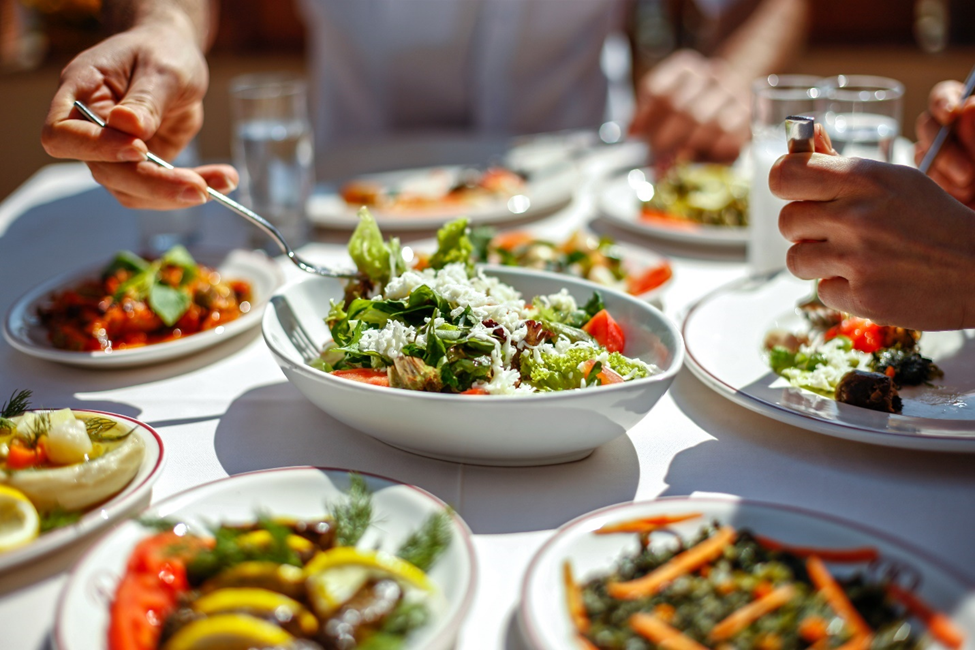
- The Mediterranean diet wasn’t created for a specific health condition but has a lot of health benefits for those who have diabetes, high blood pressure, or heart disease. This diet promotes many of the heart health benefits mentioned above, which include plenty of fruits, vegetables, grains, fish and poultry, healthy fats such as olive oil, and minimally processed meats. Red meat is consumed in moderation and fruits are commonly used as desserts.
- Mediterranean diet recipe “Chicken with Napa Cabbage and Rice Noodles” Chicken with Napa Cabbage and Rice Noodles | American Heart Association Recipes
- The Pescatarian diet was created for those who wanted to be more environmentally conscious as it excludes the consumption of poultry, pork, and red meat. This diet includes seafood, fruits, vegetables, nuts, grains, and legumes. This diet has been associated with lower risks of developing obesity, heart disease, and diabetes. This diet may not be feasible during pregnancy due to concerns with mercury levels in seafood.
- Pescatarian diet recipe “Citrus Ginger Honey Glazed Salmon with Whole Grain Rice and Sugar Snap Peas” Citrus Ginger Honey Glazed Salmon with Whole Grain Rice and Sugar Snap Peas | American Heart Association Recipes
- The Vegetarian diet is also a diet for those who want to be more environmentally conscious and can be healthy when done correctly. Some studies have shown vegetarians were less likely to have heart disease. The benefits of this diet include consuming high fiber whole grains, legumes, nuts, fruits and vegetables, low sugar foods, eggs, and non-fat dairy. This diet is feasible during pregnancy; however, it may be important to supplement with vitamins such as B vitamins, folic acid, and omega 3.
- Vegetarian diet “Red Beans and Rice with Corn on the Cob” Red Beans and Rice with Corn on the Cob | American Heart Association Recipes
More heart healthy recipes, cookbooks, and video cooking demonstrations can be obtained from the American Heart Association website Recipes | American Heart Association Recipes.
Wishing you health and happiness
 My Mind, My Body, My Journey™